
The Problem with Traditional Market Research (and How AI fixes it!) 🌏🤖
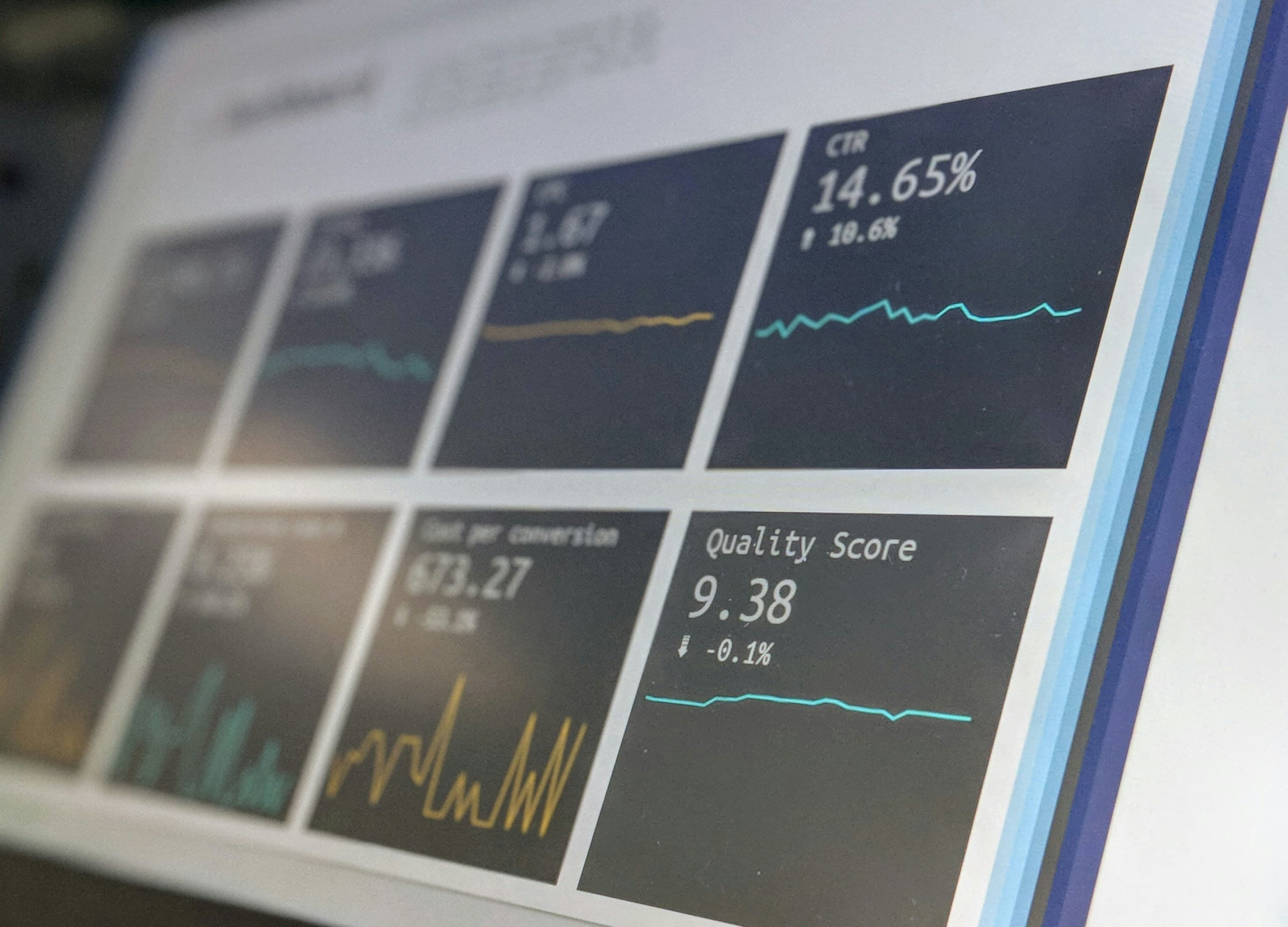
Why Outdated Methods are Costing APAC Investors Millions and How AI is Revolutionizing Financial Insights?
The Hidden Costs of Legacy Research in APAC Markets 🌎
Traditional market research methods (like manual data collection, spreadsheet-driven analysis, and fragmented news aggregation) are collapsing under the weight of APAC’s $40 trillion economy.
Investment professionals relying on these outdated systems face four critical pain points:
1. Language Barriers and Fragmented Data Sources 𝌉
APAC’s linguistic diversity creates a minefield for foreign investors. For example, analyzing Chinese stocks without Mandarin proficiency often forces analysts to depend on delayed or mistranslated news or earnings reports. Regulatory filings in China, Japan, India, and Southeast Asia compound this challenge, with 73% of institutional investors admitting they’ve made flawed decisions due to late and misinterpreted local data [1].
AI Fix🦾: Advanced NLP (Natural Language Processing) systems now ingest regulatory documents, social sentiment, and news in foreign languages, tagging context-specific terms like “shadow banking” in China or “Gruhas” investments in India [1].
2. Data Overload Without Actionable Insights 🤯
A single day’s APAC market data includes 1 million+ financial events—earnings calls, geopolitical shifts, currency fluctuations. Human teams drown in this deluge: 68% of analysts spend over 15 hours weekly just aggregating data, leaving minimal time for strategic work [5].
AI Fix 🦾: AI now auto-prioritize events by market impact. For instance, Midas’ risk-scoring algorithms flagged the 2024 Indonesian nickel export ban 48 hours before mainstream media, enabling proactive portfolio adjustments [3].
3. Time Delays in Volatile Markets ⏰
APAC’s accelerating settlement cycles (e.g., India’s shift to T+1) demand real-time insights. Yet traditional methods create fatal lag: 41% of hedge funds receive critical APAC news 6+ hours late [4]. When the Bank of Japan unexpectedly tightened yield controls in March 2025, firms dependent on manual research suffered 2-3% portfolio losses within hours.
AI Fix 🦾: AI news aggregators now process 500+ APAC sources in milliseconds [1]. Midas users gained 11-minute early warnings on the BOJ move via sentiment spikes in Japanese news.
4. Geopolitical Blind Spots 👨🏻🦯
APAC’s regulatory patchwork—from China’s anti-espionage laws to India’s FDI restrictions—baffles traditional models. A 2024 survey found 56% of asset managers underestimated Vietnam’s corporate bond freeze, mistaking government press releases for investor FAQs [2].
AI Fix 🦾: Generative AI now maps geopolitical risks using 100+ variables, including satellite imagery of factory activity and cross-referenced policy drafts. Deloitte’s APAC AI study shows that institutions using these tools achieved 92% prediction accuracy on regulatory shifts, versus 63% for manual analysts [3].
The Proof Is in the Data 📈
Firms using AI-driven research tools report 22% faster decision-making and 17% higher annual returns in APAC markets [4].
Generative AI adoption in APAC finance will grow at 40.1% CAGR through 2030, with fraud detection and forecasting as top use cases [4].
81% of analysts using platforms like Midas regained 10+ weekly hours for high-value work, per Deloitte’s 2025 AI Workforce Study [5].
The Future Is Autonomous—But Human-Centric: While AI handles data heavy lifting, human expertise remains irreplaceable. 🔮
Ready to superpower your investment research workflow?
Stop losing money to outdated methods. Start Your Free Trial with Midas Analytics and transform APAC data chaos into actionable insights!
Citations
[Broadridge: APAC AI & DLT Trends 2024] (https://www.broadridge.com/resource/capital-markets/top-10-trends-for-banks-and-brokers-in-apac-to-watch-for-in-2024)
[SymphonyAI: Financial Crime AI in Asia] (https://www.symphonyai.com/resources/blog/financial-services/ai-financial-crime-prevention-asia/)
[Deloitte: APAC Gen AI Adoption] (https://www2.deloitte.com/us/en/insights/topics/emerging-technologies/generative-ai-adoption-asia-pacific-region.html)
[S&P Global: APAC AI Investment] (https://www.spglobal.com/market-intelligence/en/news-insights/research/artificial-intelligence-adoption-and-investment-trends-in-apac)
[Grand View Research: APAC Generative AI](https://www.grandviewresearch.com/horizon/outlook/generative-ai-in-financial-services-market/asia-pacific)



 View certificate